
Addressing Public Perception: Pause Growth vs. Keep Building

More than 200 days after the Mannheim water servicing capacity issue brought uncertainty to housing development in the region, the development industry is still feeling stuck, with progress moving slowly. For many people, the answer feels simple: lift the freeze, because we need housing and we believe there is enough water to support growth. But […]
Advancing Growth Under the Mannheim Constraint: Why Forward-Looking Servicing Agreements Are Now Essential

Update: Motion Passed Waterloo Region took an important step forward this month in addressing one of the biggest barriers to housing delivery. Following extensive debate on regional water capacity, Regional Council approved a framework for forward-looking servicing agreements and an initial 20 L/s water allocation effective July 1, 2026. While the Mannheim water constraint remains […]
The Canada–Ontario Partnership to Build Fund Could Be a Turning Point — If Municipalities Participate

Ontario’s housing crisis has many causes, but one issue has become impossible to ignore: the rising cost of building housing. Over the last decade, development charges (DCs) have increased dramatically across many municipalities, adding tens, if not hundreds of thousands of dollars to the cost of new housing projects. Those costs are ultimately passed on […]
A Big Step Forward with Ontario’s Housing Policy Shift, Local Permitting Still Needs to Catch UpLeadership, Not Just Infrastructure: What Waterloo Region’s Water Issue Is Really About

Ontario’s housing landscape just got a meaningful policy reset. With new HST relief for qualifying homes and a federal-provincial agreement aimed at reducing development charges, the province is finally taking some real steps to lower the cost of building and buying homes. For an industry that has spent years advocating that upfront taxes and charges […]
Leadership, Not Just Infrastructure: What Waterloo Region’s Water Issue Is Really About
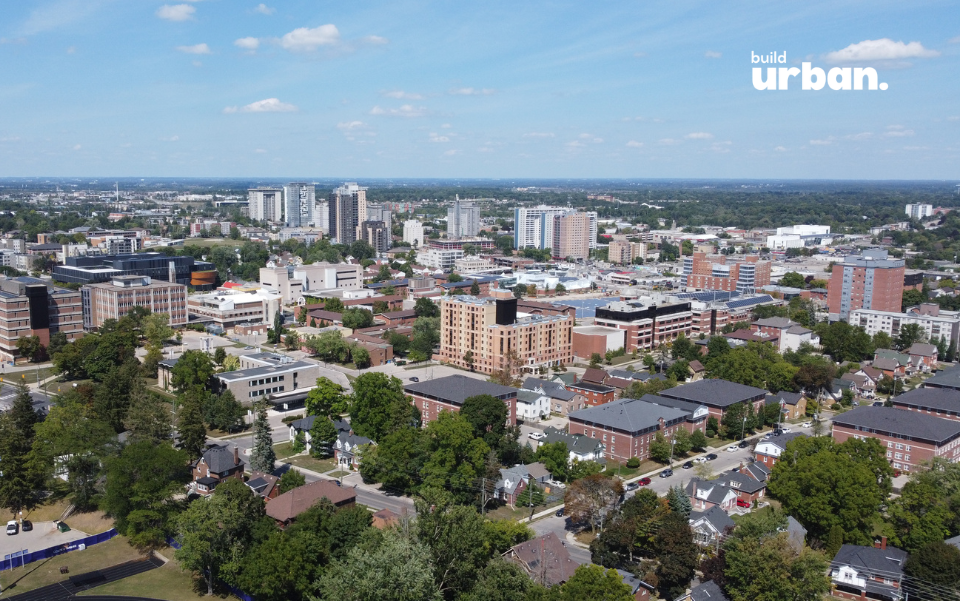
Waterloo Region’s “Mannheim water capacity issue” is no longer just about pipes and treatment plants. It has become a test of governance and leadership. Well beyond 100 days, this development pause has put over a billion dollars in investment on hold, delayed housing supply, and destabilized trade and supply chains. The engineering work is underway; […]
The Cumulative Impact of the Mannheim Development Pause

At a recent Regional Sustainability, Infrastructure and Development Committee meeting, one thing became unmistakably clear: the Mannheim Service Area development pause is having a significant impact on not only the development sector, but sectors beyond. It is affecting tradespeople, suppliers, contractors, and the many local businesses that rely on a steady flow of projects to […]
Inclusionary Zoning Isn’t a Quick Fix for Affordable Housing

On December 15, the City of Kitchener adopted a new Inclusionary Zoning (IZ) bylaw that will require developers to include a percentage of affordable units in new housing built within Protected Major Transit Station Areas (PMTSA). Inclusionary Zoning is intended to increase the supply of affordable housing by mandating that a portion of units in […]
Why Ontario’s Development Charge Hikes Risk Stalling the Growth It Aims to Fund

The City of Waterloo is in the process of drafting a land use planning tool called the Community Permit Planning System (CPPS), an initiative that has a goal of streamlining the planning approvals process for development. The CPPS is proposed to apply to the Uptown Primary Node and Erb Street corridor and would combine Zoning By-law Amendments, Minor Variances and Site Plan applications into one single application and approval process.
In principle, Build Urban is supportive of CPPS as tools that are inherently focused on streamlining development processes in priority growth areas.
Let’s Get This Right: Streamlining the CPPS for Real Results

The City of Waterloo is in the process of drafting a land use planning tool called the Community Permit Planning System (CPPS), an initiative that has a goal of streamlining the planning approvals process for development. The CPPS is proposed to apply to the Uptown Primary Node and Erb Street corridor and would combine Zoning By-law Amendments, Minor Variances and Site Plan applications into one single application and approval process.
In principle, Build Urban is supportive of CPPS as tools that are inherently focused on streamlining development processes in priority growth areas.
Building Better: How the BCH Initiative Can Actually Deliver

The Build Canada Homes (BCH) initiative signals a renewed commitment by the federal government to tackle the housing crisis with full force. While still very early in the planning process, it’s encouraging to hear our leadership express a commitment to accelerate construction, remove barriers that slow down approvals and deliver homes Canadians can afford.
However, phrases like “get the government back into the business of building” can be a bit disconcerting.