
Out of Reach: Why Canada’s GST Rebate Won’t Help Most Buyers

For many Canadians, finding a place to live has become a daily struggle. Families are searching for more space, seniors hope to downsize, and young professionals are trying to take their first step onto the housing ladder. In high-demand cities like Toronto, Vancouver, and Kitchener-Waterloo, even modest new homes are often out of reach, leaving many people without meaningful options. Housing turnover is slow, and the dream of a home can feel further away every year.
The Case for a Development Charge Holiday
For most homebuyers, the cost of a new home is already staggering. What many don’t realize is that a significant portion of that price—tens of thousands of dollars—is tied up in development charges (DCs), a municipal fee meant to cover the cost of new infrastructure. While DCs are intended to ensure that growth pays for growth, in practice, they act as a hidden tax on new residents, pushing home prices even higher and discouraging developers from building much-needed housing.
Build Now: Unlocking Homeownership and Building Stronger Communities in Waterloo Region
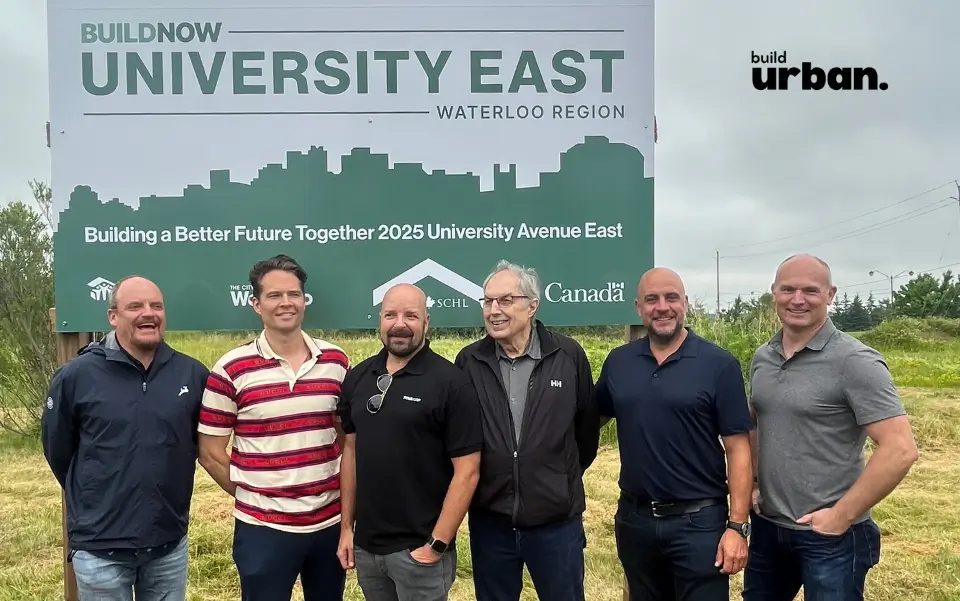
For far too many families, young professionals, and middle-income earners in Waterloo Region, the dream of owning a home has felt like an impossible goal. Skyrocketing prices, limited housing supply, and a lack of “missing middle” options have left countless people priced out, forced to rent longer than they want, or even move away from the communities they love. The housing market’s challenges are not just numbers on a page; they are lived experiences—families struggling to find stability, young adults unable to gain independence, and communities missing out on the diversity and vibrancy that comes from having a broad spectrum of residents.
Breaking Down the Costs: Why Housing Is So Expensive to Build in Kitchener-Waterloo-Cambridge
We all know housing is expensive here, but saying “it’s the market” doesn’t tell the full story. Every step of building a new home or apartment, from land and materials to fees, financing, and taxes, adds up, and all of these costs are rising. Understanding these drivers helps explain why even ordinary homes can cost over a million dollars in our region.
Land is often the first and largest cost a developer faces. Well-located lots near transit, schools, and jobs are scarce and expensive.
The State of the Housing Market: Costs, Constraints & Consequences

Canada’s housing market is facing a perfect storm of financial and structural challenges. Rising interest rates, high construction costs, volatile material prices, and labour shortages are slowing housing starts, while trade uncertainties and global economic pressures are driving further instability. Many prospective buyers are struggling to secure mortgages; tighter lending standards and higher borrowing costs make homeownership out of reach for a growing number of Canadians.
Inclusionary Zoning: Why Timing Matters

Affordable housing is a growing concern in Waterloo, with many families struggling to find homes they can afford. As a developer, Build Urban supports policies that aim to increase access to housing, including Inclusionary Zoning (IZ), which requires a portion of new residential developments to include affordable units. At the same time, the timing and design of these policies are critical. Introducing IZ during a market downturn could unintentionally slow development, reduce overall housing supply, and delay the very units it is meant to create.
The Domino Effect: Property Tax Hikes and Housing Developments

From car purchases to grocery runs, Ontarians feel the pinch of rising costs at every turn, and property tax is no exception. Across the province, cities and municipalities are unveiling their 2025 budgets, and the proposed property tax increases are causing quite the stir. In Hamilton, residents are bracing for a proposed 6.3% property tax hike, in Woolwich Township, it is even steeper at 10%. But perhaps the most jaw dropping of them all comes from Wilmot Township, where a 50% property tax increase is on the table.
Municipal Official Plans and The Effects Of Overly Prescriptive Policies

Building homes is about more than just bricks and mortar – it’s about shaping communities by delivering attainable housing solutions for present and future generations. However, achieving this vision is increasingly challenging due to the growing complexity and rigidity of municipal Official Plans.
A City’s Official Plan (OP) is the guiding document for development and community building. Setting the growth trajectory for municipalities, the OP’s high-level, goal-oriented contents provide inspiration and guidance for developers and the projects they pursue.
The Power of Collaboration: RESCON Housing Summit 4.0, Accelerating Change: Tackling the Housing Crisis.

The Residential Construction Council of Ontario (RESCON) recently hosted Housing Summit 4.0, Accelerating Change: Tackling the Housing Crisis. The event brought together an impressive roster of speakers sharing their ideas and insights into how to tackle the housing crisis.
Amongst the diverse perspectives and open dialogue, a few key themes emerged. Industry representatives want reduced fees and expedited application processes to drive growth. Municipal leaders shared their commitment to effectively managing resources, stressing the need for funding to ensure that infrastructure is in place before new projects can be built.